In a country like Malaysia, where the weather demands year-round comfort, a malfunctioning air conditioner is more than just an inconvenience. When your air conditioner is not cooling or is only blowing warm air, the immediate instinct is panic. However, many common issues can be fixed with a few simple DIY steps.
Here in this comprehensive guide, we will walk you through everything you need to know. Covering the simplest checks, intermediate diagnostics, and critically, how to identify the signs that mean it’s time to call a professional technician.
Prevention is Key: Routine AC Servicing
The best way to avoid a non-cooling air conditioner is through proactive, regular maintenance. We recommend two types of servicing, which is the general servicing (DIY filter cleaning), and also chemical cleaning / servicing.
- General Servicing (DIY Filter Cleaning): Done every 2-4 weeks.
- Chemical Cleaning/Servicing: This is a deep clean performed by a professional technician every 3 to 6 months for heavy users, or 6 to 12 months for light users.
During a chemical cleaning, the technician dismantles the indoor unit, thoroughly cleans the evaporator coil, fan blower, and drain pan with specialised chemicals, removing the deep-seated mould and dirt that DIY cleaning cannot reach. This service is essential for restoring cooling efficiency, preventing leaks and improving air quality.
Part I: Easy Checks – The First 5-Minute Fixes
Before concluding you need an expensive repair, start with these four simple steps. They account for over 60% of all “aircond not cooling” complaints.

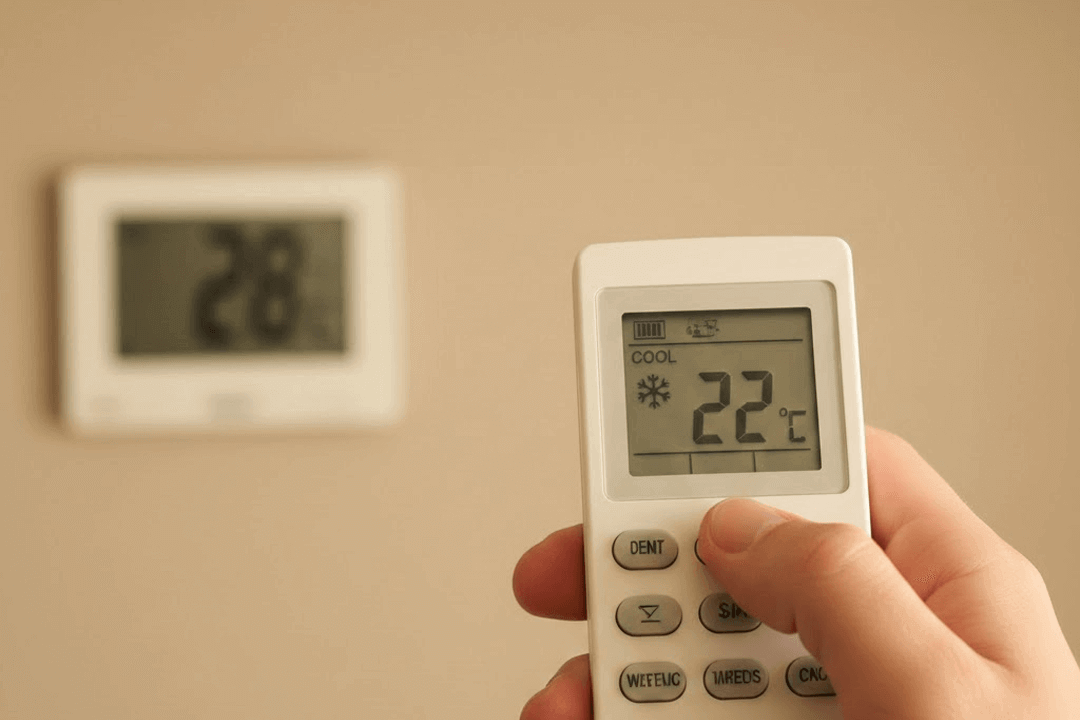
🔵 Check the Remote Control and Thermostat Settings
Ensure your unit is properly commanded to cool. Verify the mode is set to "COOL" (snowflake icon) and that the desired temperature is sufficiently low. If the unit is mistakenly set to "Fan" or "Dry," the essential cooling component (the compressor) will not activate, resulting in the unit circulating only warm, unconditioned room air. Mistakes here are the simplest and most common cause.
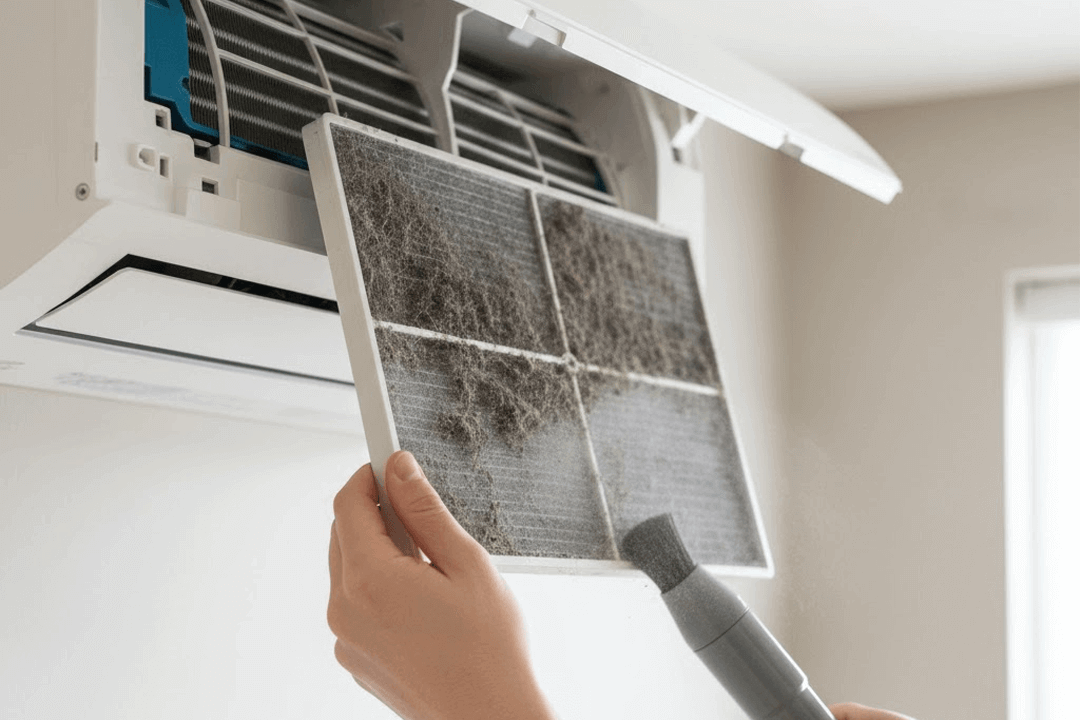
🔵 Inspect and Clean Your Air Filters
Dirty air filters severely restrict the airflow entering the unit, which is the most frequent cause of poor cooling and freezing coils. Dust build-up creates a thick barrier that forces the unit to work harder while diminishing the output of cool air. Cleaning or replacing the filters every 2–4 weeks is a crucial, easy maintenance step that restores efficiency and lowers energy consumption.
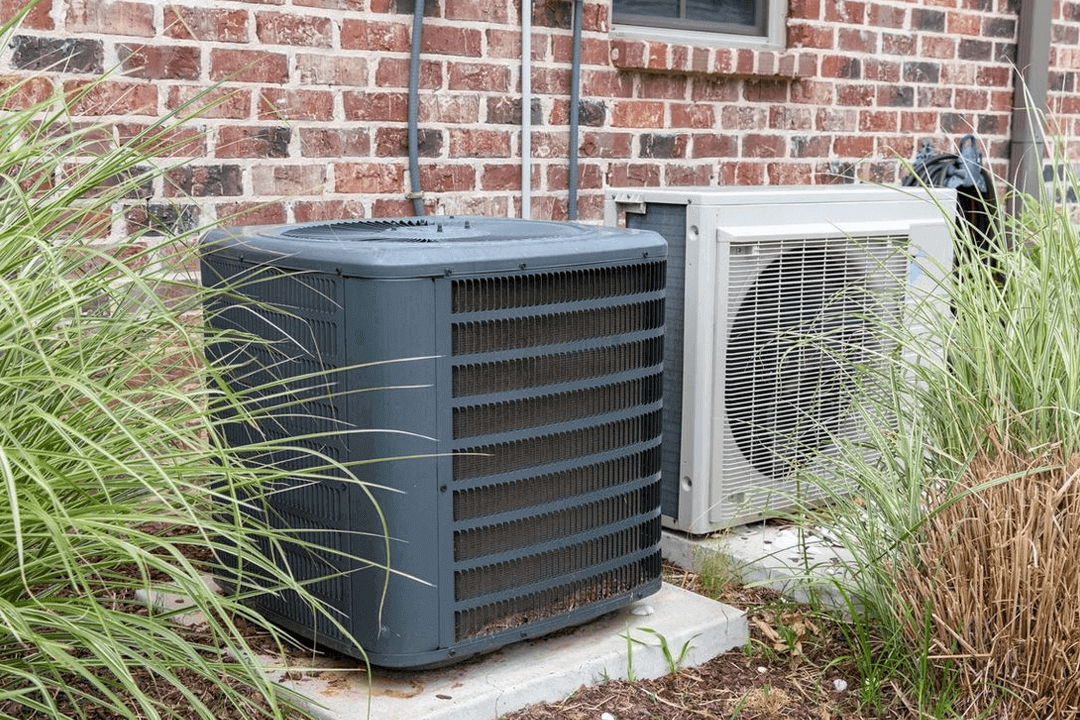
🔵 Clear Airflow Obstructions
Efficient cooling relies on clear, unobstructed airflow at both the indoor and outdoor units. Make sure that furniture, curtains, or debris are not blocking the indoor air vents. Crucially, the outdoor unit (condenser) requires ample space (at least 1.5 feet) to dissipate absorbed heat. Blocked airflow significantly reduces heat exchange, leading to system overheating and poor performance.
Part II: The System Check – Intermediate Troubleshooting
If the simple fixes haven’t solved the problem, it’s time to look deeper into the physical components. These issues often require slightly more effort but may still be resolved without a professional.

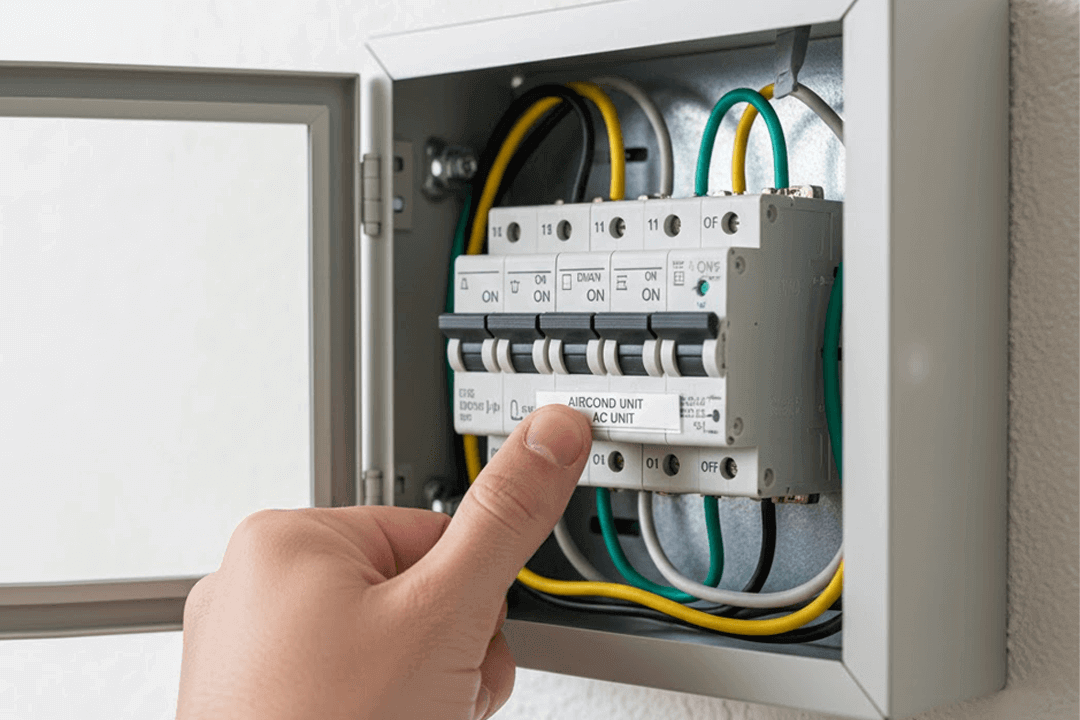
🔵 Check the Power Supply and Circuit Breaker
If the AC unit suddenly stops cooling, check your main electrical box for the dedicated circuit breaker. Air conditioners can trip the breaker due to a power surge, overload, or a shorted internal component. Resetting a tripped breaker can solve a temporary issue. However, if the breaker trips immediately or repeatedly, do not continue resetting it; this signals a serious electrical fault requiring professional inspection.
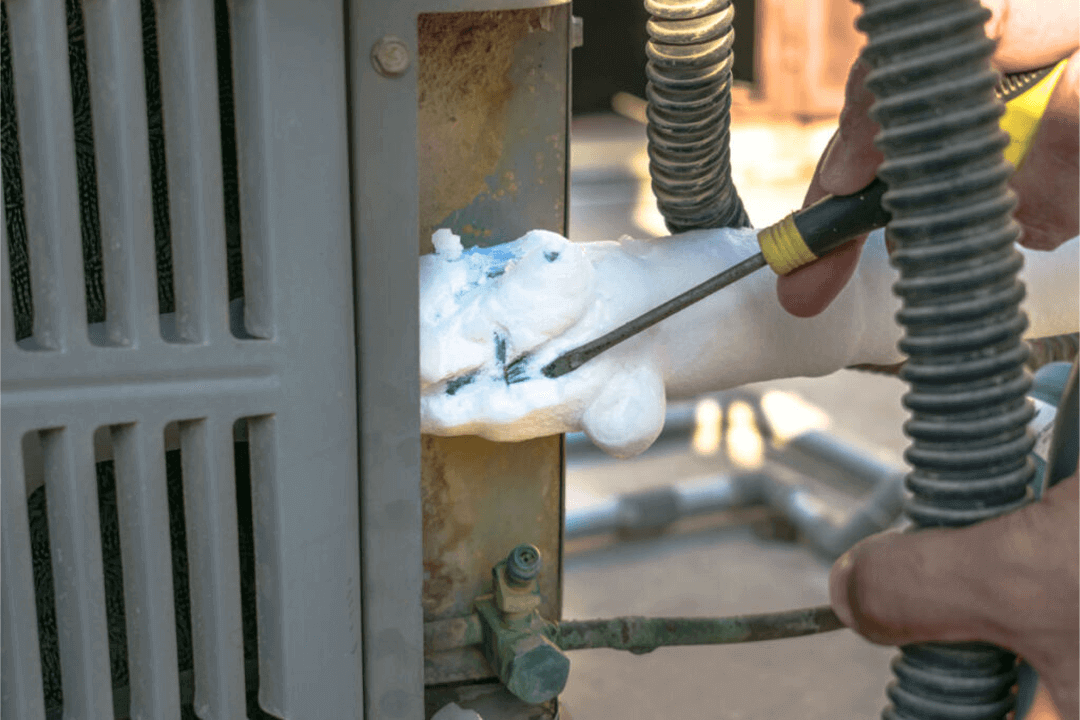
🔵 The Frozen Coil Problem (Ice Build-up)
If you see frost or ice on your indoor coils, it indicates that the coil temperature has dropped below freezing, which paradoxically stops the cooling process. This is most often caused by extreme airflow restriction (dirty filters) or low refrigerant levels (a gas leak). Immediately turn the unit off or switch to "FAN ONLY" to allow the ice to melt, then address the underlying cause (clean the filters or call a technician).
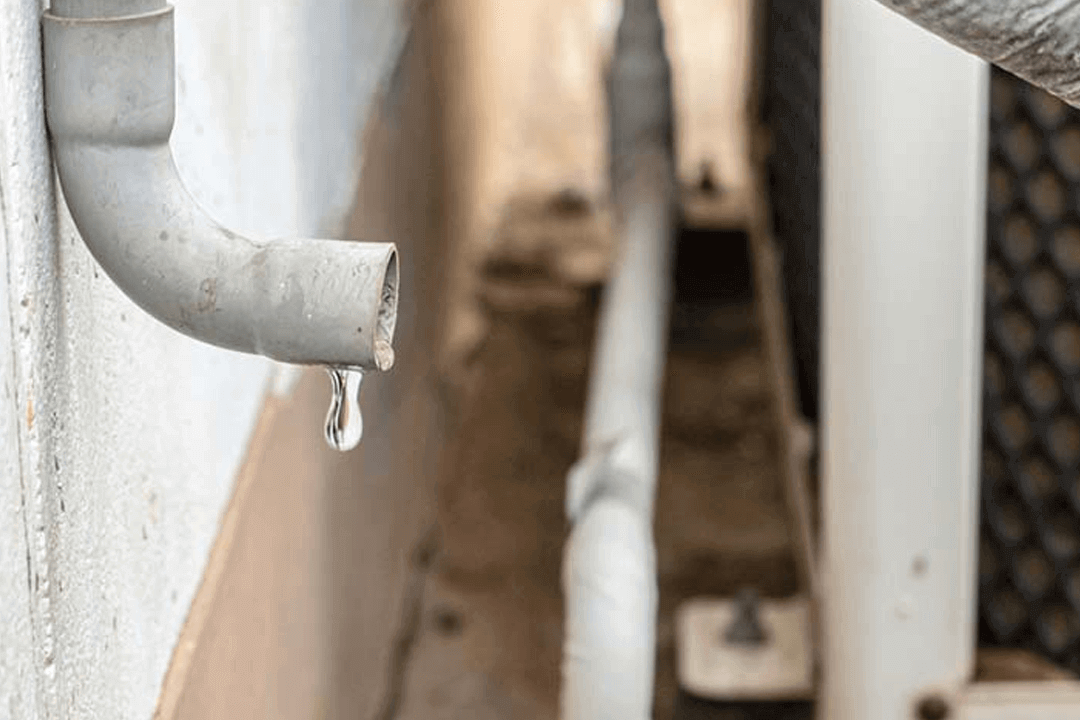
🔵 Clogged Condensate Drain Line (Water Leakage)
Air conditioning removes humidity, creating condensation that drains through a pipe. If this pipe becomes clogged with mould or sludge, the water backs up and leaks from the indoor unit. While not a direct cause of warm air, a leak suggests a severe maintenance issue that can lead to high indoor humidity and structural damage. This often requires professional chemical cleaning to clear the deep blockage effectively.
Part III: Call for Professionals – Identifying Serious Issues
If you’ve performed all the checks above and the unit is still blowing warm air, the issue is likely a component failure requiring specialized tools and expertise. This is when you must call a professional AC technician.

🔵 Signs of Low Refrigerant (Gas Leak)
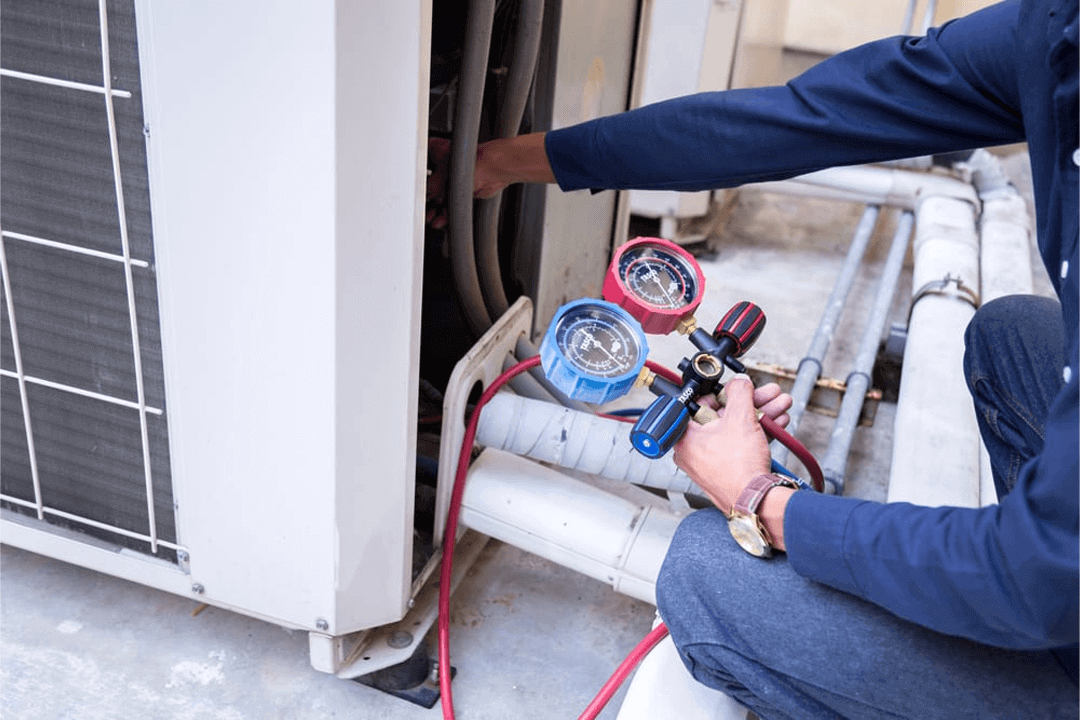
Refrigerant is essential for cooling, and a low level always indicates a leak in the sealed system. Signs include persistent poor cooling despite clean filters, combined with a potential hissing or gurgling sound. Never simply "top up the gas." A certified technician must locate the leak, repair the piping, and then safely recharge the system to restore optimal pressure and cooling capacity.
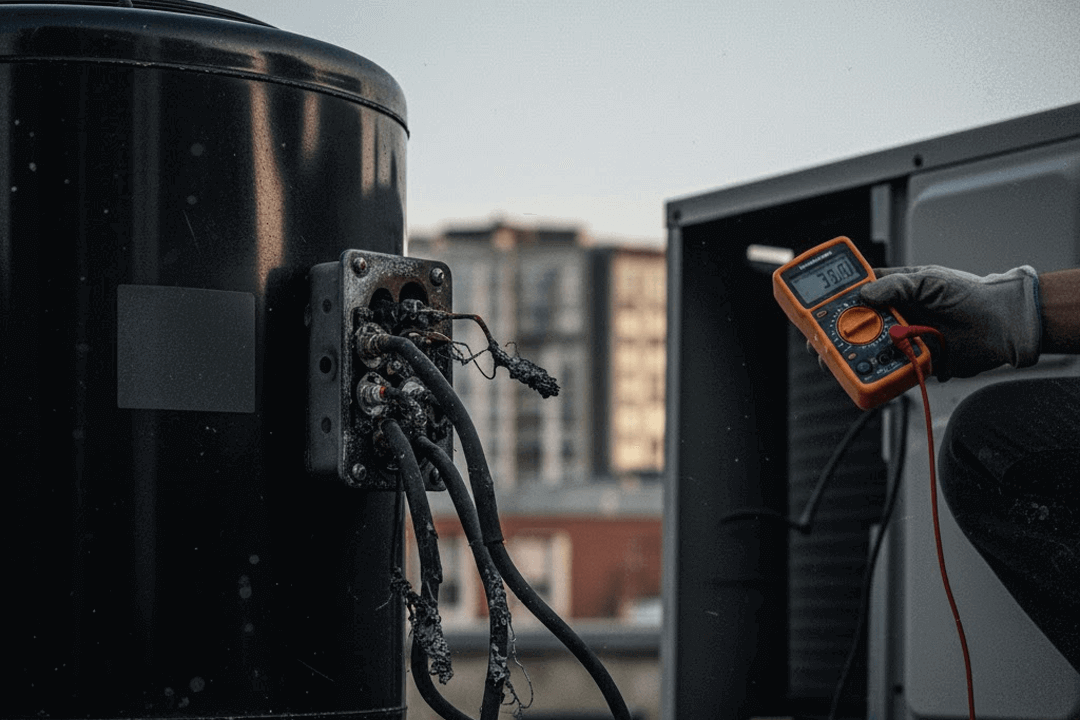
🔵 Compressor Failure
The compressor is the heart of the AC, pumping refrigerant through the system. If it fails, the system cannot move refrigerant and cooling stops entirely. Signs include a silent outdoor unit (while the indoor fan runs), or loud grinding noises. Compressor replacement is a major repair. Continuing to run the AC with a failing compressor can cause further damage, necessitating immediate professional diagnosis.
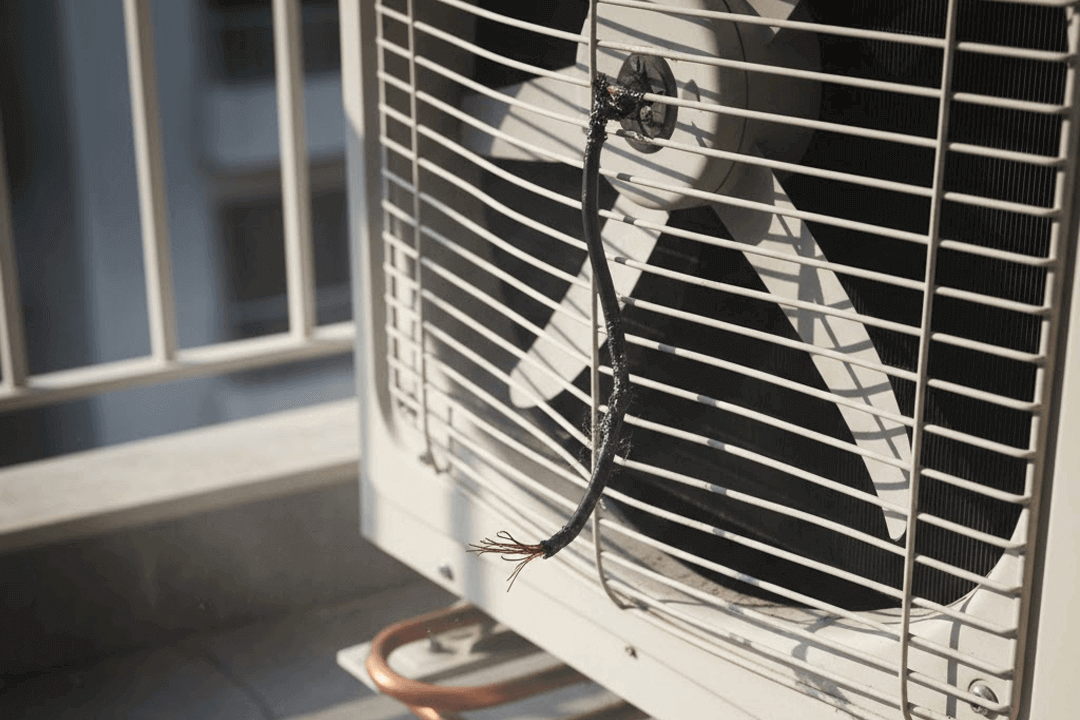
🔵 Condenser Fan Motor Failure
The outdoor condenser fan must run to exhaust heat absorbed from inside your home. If this fan stops, the heat gets trapped, causing the system’s pressure and temperature to rise dangerously high. This often leads to system shutdown and potential, irreparable damage to the compressor. Turn the AC off immediately if the outdoor fan is stationary to protect the compressor, and call a technician for urgent repair.
Don't Wait for Breakdown, Schedule with Sifu Engineering!
If your air conditioner is exhibiting any of the intermediate or serious symptoms (such as freezing, water leaks, loud noises, or low refrigerant levels), don’t delay. Continuing to run a damaged unit can turn a minor repair into a major replacement.
Sifu Engineering provides reliable, prompt, and professional air conditioning repair and chemical cleaning services across Perak, Penang and Kedah areas. Our experts are trained to diagnose complex issues and restore your comfort efficiently and quickly.
Drop us a message through our WhatsApp or submit your enquiry today.
Frequently Asked Questions (FAQs)
How often should I clean or replace my air‑cond filter?
As a rule of thumb, check the filter monthly. For reusable filters, clean with water (let completely dry before reinstalling). For disposable filters, replace every 1–3 months depending on usage and air quality (e.g. dust, pollen, pets). In dusty or humid environments (like many parts of Malaysia), more frequent cleaning is advisable.
Can I top up refrigerant gas myself?
We strongly discourage DIY refrigerant top‑up. Refrigerant handling requires special equipment, knowledge of proper pressure, and leak testing. Incorrect handling may damage the unit, lead to leaks, or violate safety regulations. Always hire a licensed technician.
Why is my air conditioner running but only blowing warm air?
If your air conditioner is running but not cooling, the most likely culprits are:
- Severely dirty air filters are restricting airflow
- Low refrigerant (gas leak) in the system
- A malfunctioning compressor or outdoor fan motor
Start by cleaning your filters. If that fails, it suggests a system component failure and you need professional repair.
How do I know if my AC has a gas leak?
You may have a gas leak if your AC is not cold, produces hissing/bubbling sounds, forms ice on the copper pipes, leaks water from the indoor unit, or the compressor keeps running non-stop.
For a full explanation, visit our Aircon Gas Refill article.
When should I replace my AC instead of repairing it?
Replace your AC if it’s over 8–10 years old, requires frequent repairs, has consistently weak cooling, or if the compressor is failing. Upgrading to a newer inverter model can also save energy and improve cooling performance.
