
When buying or upgrading an air conditioner, most people focus on brand, cooling capacity, or price. However, one of the most critical components influencing performance, energy efficiency, environmental impact, and long-term cost is often overlooked, which is the refrigerant.
Today, the debate around the differences between R32 vs R410A refrigerants in air conditioner systems has become increasingly important. Governments are enforcing stricter environmental regulations, electricity costs are rising, and manufacturers are rapidly transitioning to more sustainable cooling technologies. As a result, consumers are left asking important questions:
- Which refrigerant is more energy efficient?
- Is R32 really safer and better than R410A?
- Why is R410A being phased out?
- Which refrigerant will be future-proof?
This in-depth guide answers all of these questions and more. Sifu Engineering will share about how R32 and R410A work, their performance differences, safety considerations, environmental impact, cost implications, and which refrigerant is the smarter long-term choice for residential and commercial air conditioning systems.
By the end of this article, you will have a clear, confident understanding of which refrigerant best suits your needs and why it matters more than ever.
What Is an Air Conditioner Refrigerant?
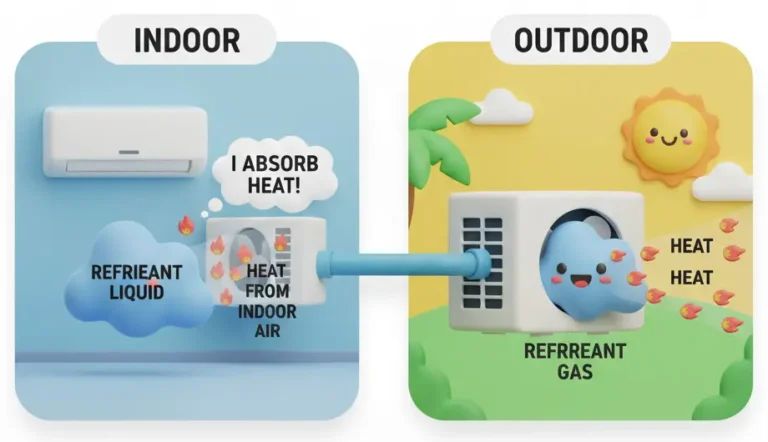
An air conditioner refrigerant is a chemical compound that enables the cooling process by absorbing heat from indoor air and releasing it outdoors. Without refrigerant, an air conditioner would simply circulate warm air without any cooling effect.
A Good Refrigerant Must Be Able To:

Transfer Heat Efficiently
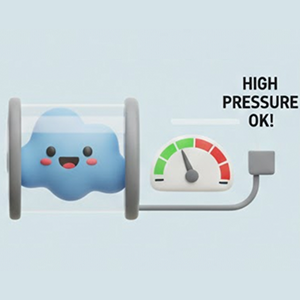
Operate Safely under High Pressure

Energy Efficient
Low Environmental Impact
Over the years, refrigerants have evolved due to environmental regulations and climate concerns, leading to the development of newer, more sustainable options such as R32, replacing older refrigerants like R410A.
What Is R32 Refrigerant?
R32, scientifically known as Difluoromethane, is a single-component hydrofluorocarbon (HFC) refrigerant. It is widely recognized as a next-generation refrigerant designed to improve energy efficiency while significantly reducing environmental impact.
Unlike blended refrigerants, R32 consists of only one chemical compound, making it easier to manage, recycle, and maintain.
Key Properties of R32 Refrigerant
- Chemical formula: CH₂F₂
- Single-component refrigerant
- Higher heat transfer efficiency
- Lower refrigerant charge required
- GWP: ~675
What Is R410A Refrigerant?
R410A is a blend refrigerant, composed of 50% of R32 and 50% of R125.
It was originally introduced to replace R22, an ozone-depleting refrigerant, and quickly became the industry standard for residential and commercial air conditioning systems.
For many years, R410A was considered a safe and efficient solution. However, environmental concerns have shifted industry preferences.
Key Properties of R410A Refrigerant
- Blend of R32 (50%) and R125 (50%)
- Non-flammable (A1 safety classification)
- Operates at high pressure
- GWP: ~2088
Key Differences of R32 vs R410A Refrigerant in Air Conditioner Systems
Understanding the differences of R32 vs. R410A refrigerant in air conditioner technology requires a close look at how each refrigerant performs in real-world conditions. While both are capable of cooling effectively, their efficiency, environmental impact, and long-term suitability differ significantly.
1. R32 vs R410A: Energy Efficiency Comparison
Energy efficiency is one of the most important considerations when choosing an air conditioner, particularly as electricity prices continue to rise. A more efficient refrigerant allows the air conditioning system to deliver the same cooling output while consuming less power, resulting in lower operating costs over time.
In this regard, R32 clearly outperforms R410A due to its superior thermodynamic properties. R32 transfers heat more effectively, enabling compressors to work more efficiently and reducing overall energy consumption.
| R32 Refrigerant | R410A Refrigerant |
|
|
2. Cooling Performance and Heat Transfer Efficiency
Cooling performance determines how quickly and effectively an air conditioner can reduce indoor temperatures and maintain comfort. Heat transfer efficiency plays a critical role in this process, as it affects how well the refrigerant absorbs and releases heat.
R32 offers faster cooling and better heat transfer efficiency than R410A. Because it is a single-component refrigerant, R32 maintains consistent performance and delivers more stable cooling even under high-load conditions.
| R32 Refrigerant | R410A Refrigerant |
|
|
3. Environmental Impact (GWP)
Environmental impact has become a major factor in refrigerant selection due to global efforts to reduce greenhouse gas emissions. One of the key measurements used to assess environmental impact is Global Warming Potential (GWP).
R32 has a significantly lower GWP than R410A, making it a more environmentally responsible and future-compliant refrigerant. This difference is a major reason why many manufacturers are transitioning away from R410A.
| R32 Refrigerant | R410A Refrigerant |
|
|
4. Refrigerant Quantity & System Design
The amount of refrigerant required in an air conditioning system directly affects system size, efficiency, and environmental exposure. Refrigerants that require lower charge volumes allow for more compact and efficient system designs.
R32 requires significantly less refrigerant than R410A to achieve the same cooling capacity. This leads to lighter systems, reduced environmental risk, and improved overall efficiency.
| R32 Refrigerant | R410A Refrigerant |
|
|
5. Safety & Flammability
Safety is a common concern when comparing air conditioner refrigerants, especially regarding flammability. Understanding safety classifications helps clarify real-world risks.
R32 is classified as mildly flammable (A2L), while R410A is non-flammable (A1). Despite this difference, R32 is considered safe for residential and commercial use when installed according to international safety standards and manufacturer guidelines.
| R32 Refrigerant | R410A Refrigerant |
|
|
6. Maintenance & Servicing Considerations
Maintenance and servicing impact the long-term cost and reliability of an air conditioning system. Refrigerants that are easier to handle and recycle simplify maintenance procedures and reduce servicing expenses.
Because R32 is a single-component refrigerant, it is easier to recover, recycle, and top up during servicing. R410A, being a blend refrigerant, often requires full replacement if contamination or leaks occur.
| R32 Refrigerant | R410A Refrigerant |
|
|
R32 vs R410A: Final Summary & Winner
Understanding the differences of R32 vs. R410A refrigerant in air conditioner systems empowers you to make smarter, more sustainable cooling decisions.
While R410A played an important role in replacing ozone-depleting refrigerants, its high global warming impact and declining regulatory support make it a less suitable choice today.
R32 stands out as the clear winner, offering:
- Superior energy efficiency
- Faster and more stable cooling performance
- Significantly lower environmental impact
- Lower long-term operating and maintenance cost
If you are purchasing a new air conditioner or planning a long-term upgrade, choosing an R32-based system ensures better performance today and peace of mind for the future.
Sharing this knowledge helps promote smarter choices and more responsible energy use. Feel free to share this article with others who are exploring air conditioner options or looking to understand modern refrigerant technologies!
Frequently Asked Questions (FAQs)
Is R32 better than R410A for air conditioners?
Yes. R32 is more energy-efficient, has a significantly lower global warming potential, requires less refrigerant, and offers better long-term value compared to R410A.
Why is R410A being phased out?
R410A has a high global warming potential (GWP of around 2088). Environmental regulations worldwide are limiting the use of high-GWP refrigerants, making R410A less viable for the future.
Is R32 refrigerant safe for home use?
Yes. R32 is safe for residential use when installed by trained professionals. Modern air conditioners are designed with safety features that fully comply with international standards.
Can an R410A air conditioner be converted to R32?
No. R410A systems are not designed for R32 and cannot be safely converted. Switching refrigerants requires a completely new system designed specifically for R32.
Which refrigerant is more energy efficient, R32 or R410A?
R32 is more energy efficient due to better heat transfer properties, allowing air conditioners to cool faster while consuming less electricity.
Does R32 reduce my TNB electricity bills?
Yes. This is because R32 air conditioners operate more efficiently, they generally consume less power, resulting in lower monthly electricity bills.
Is R32 more expensive than R410A?
R32 air conditioners may cost slightly more upfront, but they are cheaper to operate and maintain in the long run, making them more cost-effective overall.
Will R410A still be available in the future?
R410A availability is expected to decline over time as regulations tighten. This may lead to higher prices and limited servicing options in the future.
